...
Fetal Scans

Advanced Imaging for a Healthy Pregnancy Journey

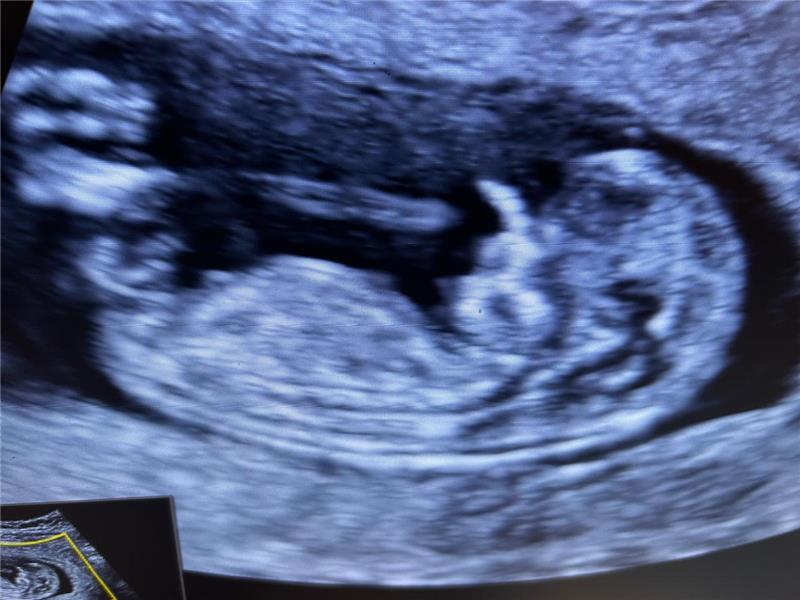
Get clear, safe, and detailed insights into your baby’s growth and development with our specialized fetal scans. Backed by cutting-edge technology and fetal medicine expertise, we ensure accurate diagnostics for confident decisions — every step of the way.

Fetal Medicine Services

Specialized Prenatal Care & Screenings for a Healthy Pregnancy

Our fetal medicine unit offers expert-led evaluations and interventions to monitor and support the well-being of your baby throughout pregnancy.

Viability Scan
Viability Scan

Confirm pregnancy and detect fetal heartbeat in early weeks

Book A Test Now
NTNB Scan (Nuchal Translucency + Nasal Bone)

Early screening for chromosomal conditions

Book A Test Now
Anomaly Scan

Mid-pregnancy detailed scan to check for structural abnormalities

Book A Test Now
Fetal Growth Scan

Assess fetal size, weight, and growth progress

Book A Test Now
Doppler Studies
Doppler Studies

Analyze blood flow to placenta and fetal vessels

Book A Test Now
Fetal Echocardiography

In-depth imaging of the fetal heart to detect congenital issues

Book A Test Now
Amniocentesis
Amniocentesis

Diagnostic test to detect chromosomal and genetic disorders using amniotic fluid

Book A Test Now
CVS

Early pregnancy test to identify genetic abnormalities through placental tissue

Book A Test Now
Book Your Appointment

Expert Pediatric, Radiology & Fetal Care Schedule Your Visit Today

    Our Happy Patients

    Real Stories of Care and Compassion

    We’re proud to be a trusted partner in your family’s health journey. From pediatric care to fetal medicine and radiology, hear what our patients and their families have to say about the expert care they received at our centre.

    FAQ

    Your Questions Answered About Pregnancy Ultrasounds & Diagnostic Scans

    Explore essential information about fetal ultrasound scans — including their purpose, timing, safety, and how each test supports a healthy pregnancy journey.

    A Viability Scan is an early pregnancy ultrasound usually performed between 6 to 9 weeks of gestation. It confirms the pregnancy, detects the fetal heartbeat, and checks if the pregnancy is developing inside the uterus. This scan helps assess the number of embryos and estimate gestational age. It’s essential for women with a history of miscarriage or irregular cycles.

    The NTNB Scan (Nuchal Translucency and Nasal Bone) is typically done between 11 and 14 weeks. It is a first-trimester screening that helps assess the risk of chromosomal abnormalities like Down syndrome (Trisomy 21). It involves measuring the fluid behind the baby’s neck and checking the nasal bone’s development. It is non-invasive and often combined with a double marker blood test for better accuracy.

    An Anomaly Scan, also known as the Level 2 ultrasound, is conducted around 18 to 22 weeks of pregnancy. It is a detailed fetal scan that checks for structural abnormalities in the baby’s organs, limbs, spine, and brain. This scan helps detect issues like cleft lip, congenital heart defects, spinal cord issues, and kidney malformations early, enabling better planning and care.

    A Fetal Growth Scan is usually done in the third trimester, often after 28 weeks, to evaluate the baby’s growth, weight, and position. It helps assess if the fetus is growing appropriately for gestational age and identifies growth restrictions (IUGR) or macrosomia. It’s crucial in high-risk pregnancies such as those with diabetes, hypertension, or previous growth issues.

    Doppler Studies use ultrasound to assess blood flow in the umbilical cord, fetal brain, and placenta. They are typically done in the third trimester for pregnancies with concerns like high blood pressure, fetal growth restriction (FGR), or reduced fetal movement. It helps monitor fetal well-being and guides decisions regarding early delivery if needed.

    Fetal Echocardiography is a specialized ultrasound to evaluate the structure and function of the fetal heart. It is usually done between 18 and 24 weeks and is recommended when there’s a family history of congenital heart disease, abnormal findings in the anomaly scan, or maternal conditions like diabetes or infections. It helps detect congenital heart defects early for timely intervention.

    Amniocentesis is a diagnostic test performed between 15 and 20 weeks where a small amount of amniotic fluid is extracted for testing. It helps detect genetic disorders, chromosomal abnormalities (like Down syndrome), and neural tube defects. It is considered safe when performed by experts but carries a very low risk of miscarriage (<1%).

    CVS (Chorionic Villus Sampling) is done earlier than amniocentesis, usually between 11 and 13 weeks, to detect genetic and chromosomal disorders by analyzing placental tissue. It allows for earlier diagnosis but cannot detect certain conditions like neural tube defects, which amniocentesis can. CVS may be advised if there is a high-risk screening result or family history of genetic diseases.

    Yes, all standard fetal ultrasound scans, including viability, NTNB, anomaly, growth scans, and Doppler, are considered safe, non-invasive, and radiation-free. They use sound waves to create images and are routinely used for monitoring fetal health and development.

    Preparation depends on the scan. For early scans like viability and NTNB, a full bladder helps improve clarity. For later scans like anomaly or growth scans, no special preparation is usually needed. Your doctor will inform you of specific instructions based on the scan type. Always carry previous reports and come with a relaxed mind for the best experience.

    Seraphinite AcceleratorOptimized by Seraphinite Accelerator
    Turns on site high speed to be attractive for people and search engines.